
Stress affects more than just mood. It raises blood pressure, disrupts sleep, weakens immune function, and contributes to chronic health conditions.
While lifestyle changes like regular exercise and better sleep habits help manage long-term stress, they don’t address immediate symptoms when anxiety spikes during a deadline or after a difficult conversation.
Physical tools designed to interrupt the stress response offer something different — direct intervention when it matters most. These aren’t replacement therapies for serious anxiety disorders, but they can reduce everyday tension before it accumulates into something worse.
How Stress Manifests Physically
Understanding where stress shows up in the body helps determine which devices might actually help. Some people clench their jaw unconsciously.
Others develop knots between their shoulder blades that worsen throughout the day. Tension headaches, shallow breathing, and muscle rigidity are common physical markers.
The autonomic nervous system controls these responses. When it perceives threat — real or imagined — it triggers the sympathetic nervous system.
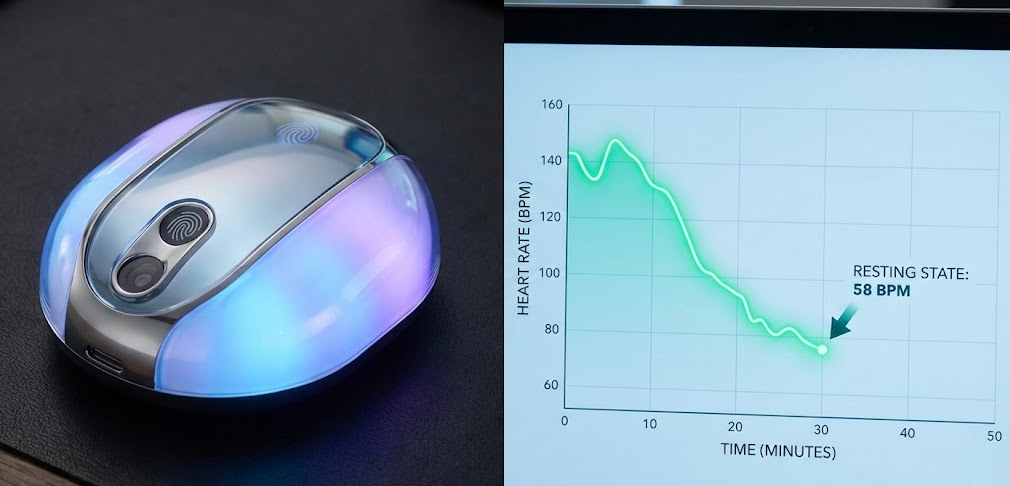
Heart rate increases, muscles tense, and breathing becomes shallow. Stress relieving devices work by activating the opposing system, the parasympathetic response, which signals safety and allows the body to relax.
Percussion Massage Devices
Handheld percussion massagers deliver rapid, concentrated pressure to specific muscle groups. Physical therapists have used similar tools for years, but consumer versions have become more accessible and affordable.
These devices work on a simple principle. Rapid pressure increases blood flow to tense areas while mechanically breaking up muscle adhesions. The sensation can be intense initially, but most users adapt quickly. Different attachment heads target various muscle groups:
-Large, flat heads for broad areas like the back and thighs
-Smaller, focused heads for concentrated knots in the neck and shoulders
-Cushioned heads for sensitive areas or beginners
-Pointed heads for trigger point therapy
Results are often immediate. A two-minute session on the upper trapezius can reduce the kind of shoulder tension that builds from hours at a computer. For people who carry stress in their muscles, these tools provide relief that breathing exercises alone can’t match.
Weighted Compression Products
Deep pressure stimulation has measurable effects on the nervous system. Studies on weighted blankets show they increase parasympathetic activity while decreasing cortisol levels. The pressure triggers mechanoreceptors in the skin that send calming signals to the brain.
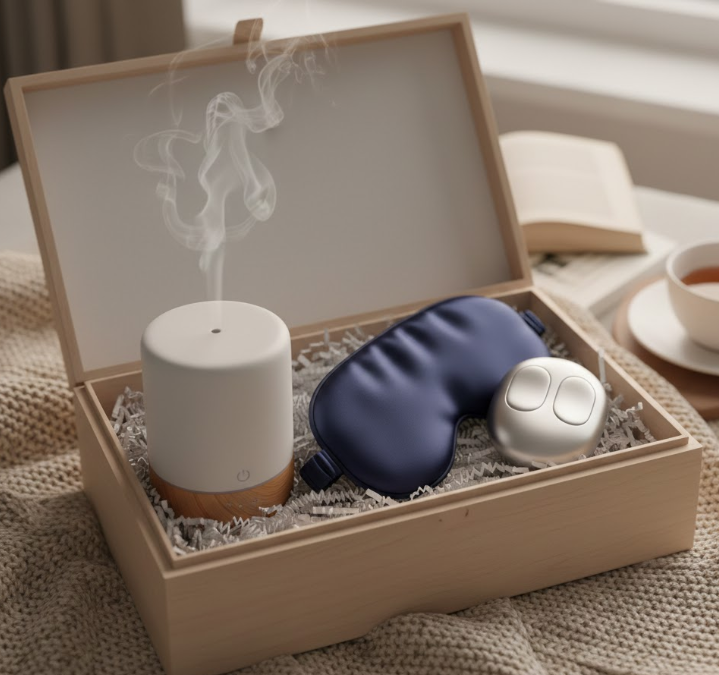
Full weighted blankets work well for sleep, but smaller compression items offer portability. Weighted eye masks combine darkness with gentle pressure across the forehead and around the eyes. This dual approach addresses both light sensitivity and the physical tension that accumulates around the temples.
Shoulder wraps distribute weight across the upper back and shoulders. They’re particularly useful for people who develop tension in this area from stress or poor posture. The weight provides constant, gentle pressure that many find grounding during anxious periods.
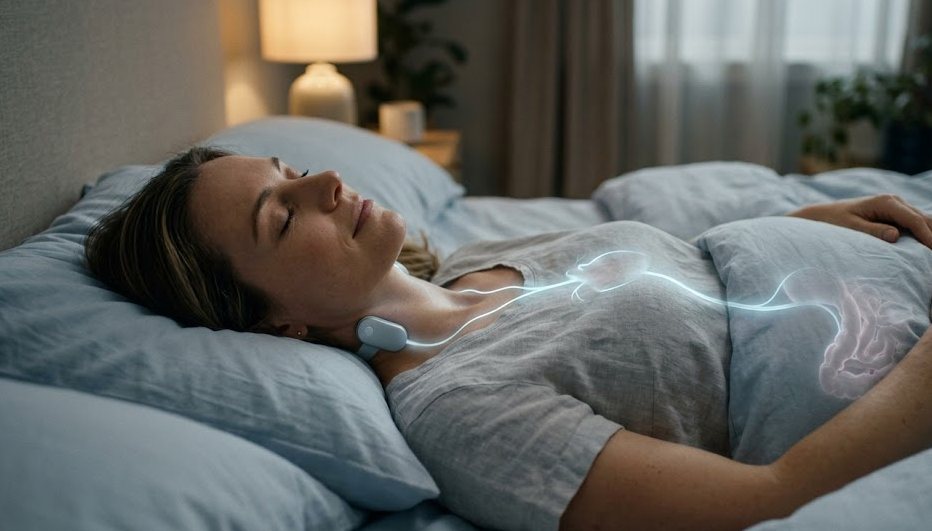
The mechanism isn’t mysterious. Pressure stimulates the vagus nerve, which connects the brain to major organs. This stimulation shifts the body toward a rest-and-digest state, counteracting the fight-or-flight response that characterizes stress.

Controlled Breathing Tools
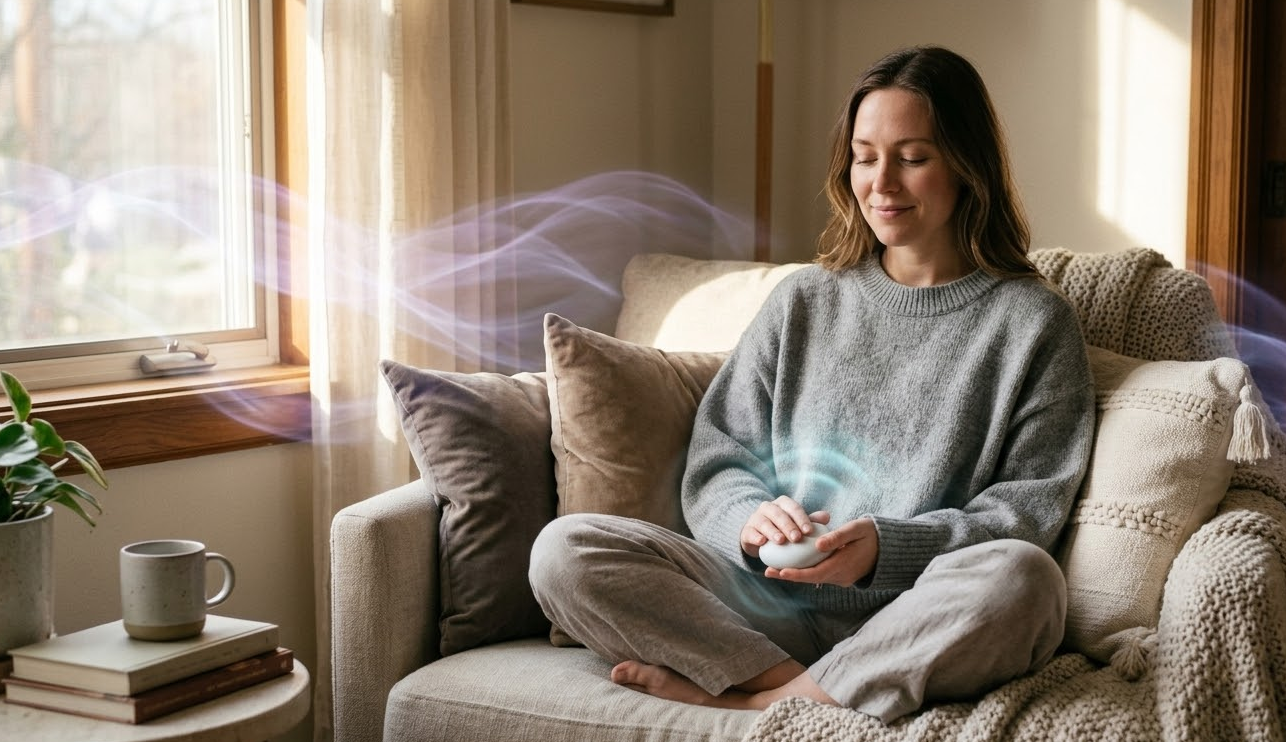
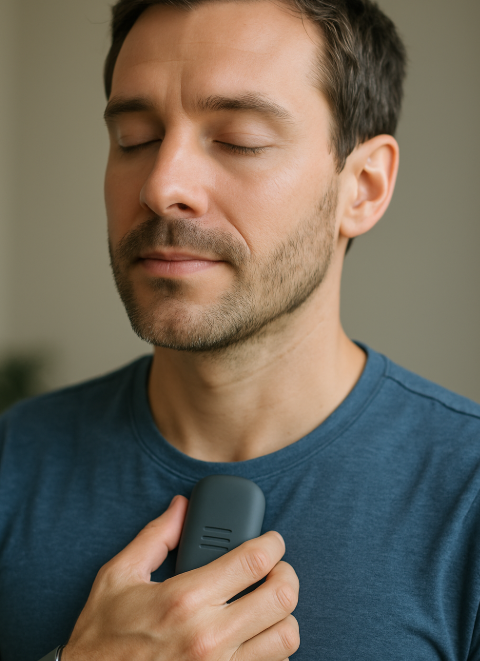
Respiratory rate directly affects autonomic nervous system balance. Rapid, shallow breathing maintains stress responses. Slow, deep breathing activates relaxation mechanisms. The challenge is maintaining proper breathing patterns when stress makes it difficult to focus.
Visual breathing guides solve this problem. Some devices use expanding light rings that grow and shrink to pace inhalation and exhalation.
Others provide physical feedback through gentle vibrations or expanding shapes that users hold. The external cue removes the mental effort of counting or timing breaths.
Research on paced breathing shows benefits at specific rates. Six breaths per minute appears optimal for most people — slow enough to trigger relaxation but not so slow it feels uncomfortable. Quality breathing devices pace users at or near this rate.
These tools work particularly well for acute stress. When anxiety spikes unexpectedly, having a concrete object to focus on helps interrupt rumination while the controlled breathing addresses the physical symptoms.
Acupressure Application Systems
Acupressure mats contain thousands of plastic points arranged to stimulate pressure points across the back. The concept derives from acupuncture principles but requires no needles or specialized knowledge. Users simply lie on the mat for fifteen to thirty minutes.
The initial sensation is sharp, almost uncomfortable. Most people need several sessions to adapt. Once past this adjustment period, the effect becomes notably relaxing. The body responds to the controlled discomfort by releasing endorphins, the same compounds that create “runner’s high.”
Smaller acupressure pillows target the neck specifically. They’re less intense than full mats, which makes them more approachable for beginners. Many users report reduced tension headaches and improved sleep quality with regular use.
This approach won’t work for everyone. People with very sensitive skin may find acupressure too uncomfortable. Others feel no particular benefit. But for those who respond well, these mats provide reliable stress relief without requiring active effort — just time lying down.
Aromatherapy Delivery Systems
Olfactory receptors connect directly to the limbic system, the brain region that processes emotion and memory. This direct pathway explains why certain scents can instantly affect mood. Aromatherapy devices leverage this connection.
Ultrasonic diffusers break essential oils into fine particles without heat. This preserves the volatile compounds that create therapeutic effects. Different oils target different symptoms:
Lavender reduces general anxiety and promotes sleep
Peppermint improves alertness and reduces mental fatigue
Bergamot lowers cortisol levels and elevates mood
Eucalyptus clears mental fog and supports respiratory function
Personal inhalers offer portability that room diffusers can’t match. These small devices contain absorbent wicks saturated with essential oils. A quick inhale delivers concentrated scent when needed — during a stressful commute or before an important meeting.
The effects aren’t placebo. Multiple studies confirm that specific aromatic compounds interact with neurotransmitter systems. Linalool from lavender, for instance, enhances GABA activity, the same system targeted by many anti-anxiety medications.

Sound Masking Technology
Unpredictable noise creates stress. The brain constantly monitors environmental sounds for potential threats. Irregular noises — traffic, conversations, sudden bangs — keep the nervous system on alert even when no real danger exists.
White noise machines generate consistent sound across all audible frequencies. This steady audio masks irregular noises, giving the brain something neutral to process. The effect is particularly noticeable for sleep quality, but daytime use also reduces stress in noisy environments.
Nature sounds work similarly but add positive associations. Ocean waves, rainfall, and forest ambiance trigger relaxation responses tied to safe, pleasant environments. Some people find these more soothing than pure white noise.
Portable sound machines have improved significantly. Modern versions are compact enough for travel and offer multiple sound options. Some include timers and gradual volume fading, useful features for both sleep and meditation.
Temperature Therapy Options
Heat and cold affect the nervous system through different pathways. Both can reduce stress, though they work better for different situations and different people.
Microwaveable neck wraps provide sustained heat to the upper back and neck. Heat increases blood flow, relaxes tense muscles, and generally promotes a sense of comfort. These work well for stress that manifests as muscle tension and stiffness.
Cold therapy takes a different approach. Cooling eye masks or cold packs reduce inflammation and provide a mild shock that can interrupt anxiety spirals. Some people find cold more effective for acute anxiety, while heat works better for chronic muscle tension.
Individual response varies considerably. Some people find heat immediately soothing. Others feel trapped or uncomfortable. Cold can be invigorating or unpleasant depending on personal preference and the specific stress symptoms being addressed.
Practical Selection Guidelines
The most effective stress relieving devices match individual stress patterns. Someone with chronic neck tension needs different tools than someone whose stress manifests as racing thoughts or poor sleep.
Consider how stress appears physically. Muscle tension responds well to percussion massage and heat. Anxiety and racing thoughts benefit from breathing tools and weighted compression. Sleep disruption might require sound machines or aromatherapy.
Budget matters less than consistency. A simple stress ball used regularly often provides more benefit than an expensive massage device that sits in a closet. Start with one or two targeted tools rather than collecting multiple devices that never get used.
Combining approaches often works better than relying on a single tool. A sound machine might improve the baseline environment while a massage device addresses specific physical tension. Breathing exercises provide acute intervention when stress spikes unexpectedly.
These devices don’t cure chronic stress or replace professional treatment for anxiety disorders. They manage symptoms and prevent stress accumulation. Used consistently, they help maintain better balance between stress and recovery.



Write a comment ...