
Sleep troubles hit hard. Lying awake at 2 AM. Mind won't shut off. Then struggling through the next day in a fog. Focus disappears when deadlines loom. Coffee helps for an hour, then makes things worse.
Millions of people deal with this cycle. Sleep medications help some but often leave users groggy. Stimulants provide temporary focus but crash later. Side effects pile up. Dependency becomes a concern.
There's another path emerging from medical research. The vagus nerve - a major communication line between brain and body - holds keys to better sleep and sharper thinking. New devices can stimulate this nerve safely at home without drugs.
Understanding the Vagus Nerve
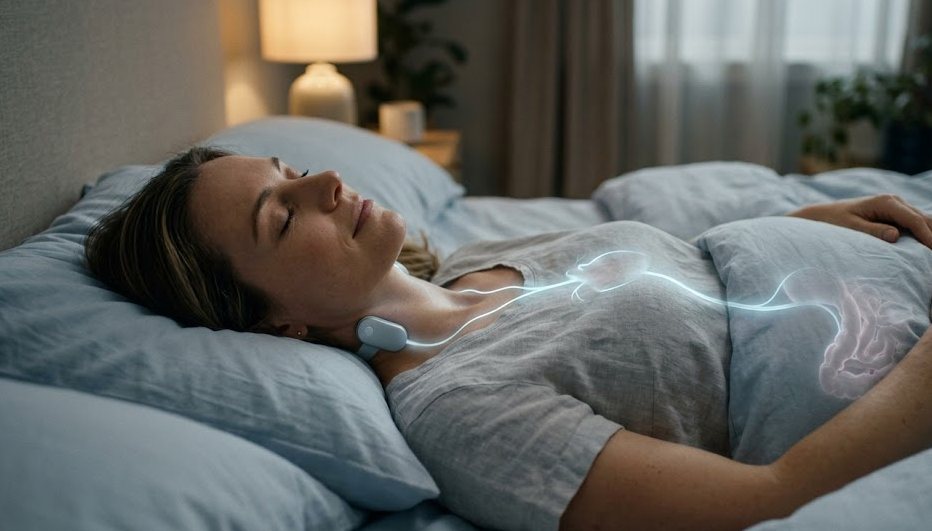
This nerve earned its "wandering" nickname by traveling throughout the body. Starting at the brainstem, it reaches the heart, lungs, stomach, and other organs. Messages flow both ways - brain to body and back again.
Doctors measure something called vagal tone. Think of it like muscle fitness but for nerves. Good vagal tone means faster recovery from stress, deeper sleep, and steadier emotions. Poor vagal tone shows up as insomnia, anxiety, and scattered attention.
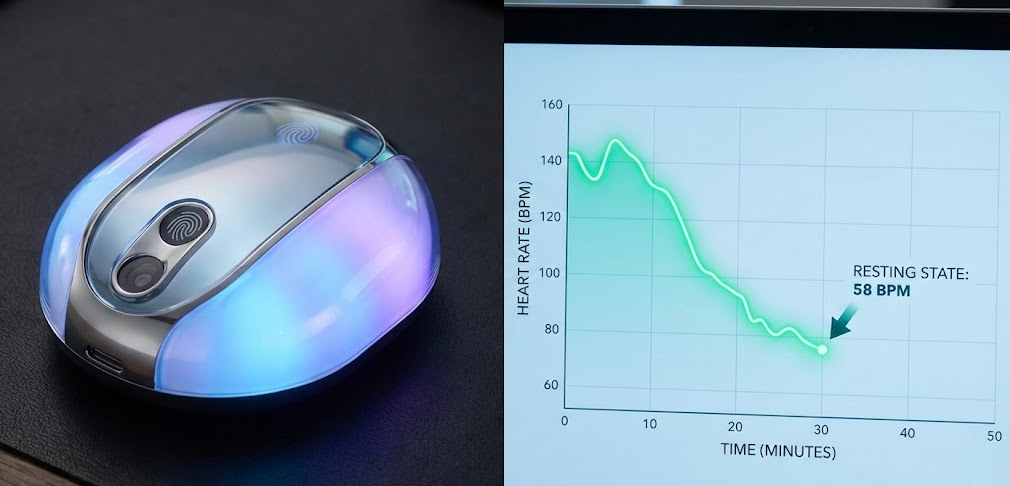
The vagus nerve runs the parasympathetic nervous system - the body's rest-and-digest mode. When activated, heart rate drops, breathing slows, and stress hormones decrease. This is exactly what's needed for sleep and clear thinking.
Modern life keeps people stuck in fight-or-flight mode. Traffic jams, work deadlines, financial stress, news alerts - everything triggers alertness when rest is needed. The vagus nerve provides a natural brake, but many people have weak vagal tone.
How Stimulation Actually Works
A vagus nerve stimulation device sends mild electrical pulses to the nerve. Most people feel only slight tingling. These pulses exercise the nerve like weights exercise muscles. Over time, the nerve may function better.
When stimulation activates the vagus nerve, several changes happen quickly. Heart rate slows down. Breathing deepens. Muscle tension releases. The nervous system shifts from alert to calm.
For sleep problems, this shift is game-changing. Many people can't fall asleep because their bodies stay in high-alert mode. Racing thoughts, tense shoulders, rapid heartbeat - all barriers to rest. Vagal stimulation helps switch off the alertness.
Focus improvement works through different pathways. The vagus nerve connects to brain regions controlling attention and executive function. Stimulation may also reduce brain inflammation that clouds thinking.
Device Options Available
Several types of vagus nerve stimulation devices have hit the market, each with unique features.
Ear-based models are popular because vagus nerve branches reach the outer ear. Users clip small electrodes to the ear for 15-30 minute sessions. These are safe for home use and don't require medical supervision.
Transcutaneous stimulators - Apply electrical pulses through skin contact
Breathing-synchronized devices - Combine breath work with gentle stimulation
Wearable models - Designed for extended use during sleep or work
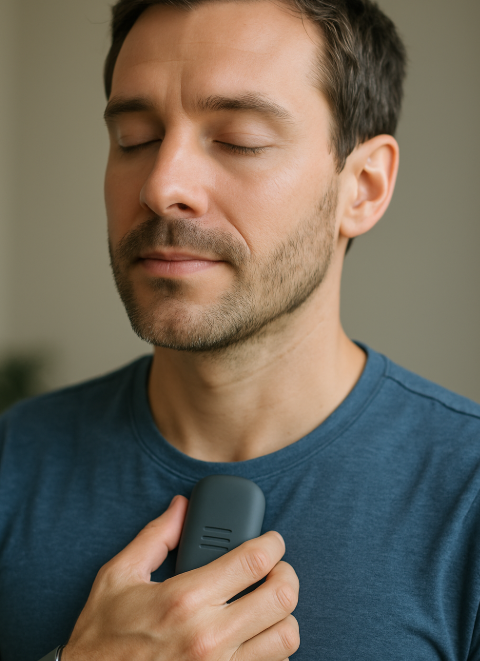
Handheld units - Portable devices for targeted session-based treatment
Implanted devices exist but are reserved for severe medical conditions like epilepsy. For sleep and focus issues, external devices provide sufficient stimulation without surgery risks.
Sleep Research Results
Scientific studies on vagal stimulation and sleep quality show encouraging findings. Researchers track multiple sleep metrics to understand how the technology helps.
Sleep onset time - how long it takes to fall asleep - often improves with regular device use. People report less time lying awake waiting for sleep to come. This makes biological sense since vagal stimulation helps transition from alertness to rest.
Deep sleep phases may benefit as well. These stages handle body repair and memory consolidation. Enhanced deep sleep leads to more refreshing rest and better next-day performance.
Sleep continuity represents another improvement area. Many people wake frequently during the night, fragmenting their rest. Vagal stimulation might help maintain more stable sleep patterns.
Some users feel more rested even when total sleep hours don't increase significantly. This suggests improved sleep efficiency rather than just longer sleep duration.

Cognitive Performance Benefits
The relationship between vagus nerve function and mental sharpness has attracted substantial research interest. Multiple mechanisms may explain how stimulation enhances cognitive performance.
Attention regulation appears to improve with vagal stimulation. The nerve connects to brain circuits responsible for filtering distractions and maintaining focus. Better vagal function often translates to improved concentration abilities.
Stress reduction plays a crucial role too. Chronic stress damages memory, attention, and decision-making skills. Vagal stimulation activates relaxation responses that counter stress-related cognitive decline.
Working memory - the ability to hold and manipulate information temporarily - may also benefit from stimulation. This cognitive function underlies most mental tasks, from following conversations to solving problems.
Research suggests vagal stimulation might enhance neuroplasticity - the brain's capacity to form new connections. This could provide long-term benefits for learning and mental flexibility.
Safety Profile
Most consumer vagus nerve stimulation devices emphasize safety in their design. The electrical currents used are extremely mild - much gentler than medical-grade devices used in hospitals.
Side effects are generally minimal and short-lived. Some users experience mild skin irritation at electrode sites. Others report brief lightheadedness after sessions. These effects typically resolve quickly and often disappear as users adapt to the device.
Certain groups should avoid vagal stimulation entirely. People with heart conditions, pacemakers, or other implanted medical devices need physician approval before use. Pregnant women are also advised against using these devices.
Starting with low intensities and short sessions helps minimize adverse effects. Users can gradually increase stimulation strength and duration as comfort develops.
Selection Criteria
The expanding market for vagal stimulation devices can overwhelm potential buyers. Several key factors should guide purchase decisions.
Clinical backing matters significantly. Look for devices supported by peer-reviewed research and manufactured by established companies. FDA clearance provides additional safety and efficacy confidence.
User experience affects long-term success rates. Devices should feel comfortable during use and operate intuitively. Complex controls or uncomfortable electrodes discourage consistent use.
Customization options add value since individuals respond differently to various stimulation parameters. Adjustable intensity, duration, and pattern settings typically work better than fixed configurations.
Battery performance impacts convenience. Some devices require daily charging while others last weeks between charges. Consider how this aligns with intended usage patterns.
Building Sustainable Habits
Consistent use often determines success more than sporadic intensive sessions. Most benefits accumulate gradually over weeks or months rather than appearing immediately.
For sleep enhancement, evening timing works well for many users. Sessions 30-60 minutes before bedtime help initiate relaxation processes needed for quality sleep. Some prefer brief sessions immediately before getting into bed.
Focus improvement may benefit from different scheduling approaches:
Morning sessions - Establish calm, focused mindset for the day ahead
Pre-task stimulation - Prepare for demanding cognitive work
Midday resets - Restore attention during busy periods
Study prep - Prime the brain for learning and retention
Tracking outcomes helps optimize timing and device settings. Simple logs of sleep quality, focus levels, and overall well-being provide feedback for refining the approach.

Future Technology Directions
Vagal stimulation research continues advancing rapidly. Scientists explore new stimulation protocols, improved hardware designs, and expanded applications.
Personalized approaches represent exciting possibilities. Future devices might automatically adjust parameters based on real-time physiological feedback or specific user goals. Continuous monitoring could optimize stimulation timing and intensity.
Technology integration could enhance effectiveness. Combining vagal stimulation with sleep tracking apps, meditation programs, or breathing exercises might create more comprehensive wellness platforms.
Making an Informed Choice
A vagus nerve stimulation device presents an attractive option for people seeking non-pharmaceutical solutions to sleep and focus challenges. Research support continues growing, though individual responses vary considerably.
Setting realistic expectations helps ensure satisfaction. While some users notice improvements within days, others require weeks of consistent use before seeing changes. The approach complements rather than replaces good sleep hygiene and stress management practices.
Financial considerations matter since quality devices require upfront investment and benefits develop gradually. View it as long-term wellness equipment rather than quick-fix solutions.
Healthcare provider consultation makes sense, particularly for individuals with existing medical conditions. Professional guidance can help determine appropriateness based on personal health circumstances.
This technology offers one valuable tool in the broader toolkit for optimizing sleep and cognitive function. It's not magic, but for many people, it provides meaningful support for better rest and sharper thinking.





Write a comment ...